Timing Your Sahara Adventure
Choosing when to visit the Moroccan desert can make a real difference to your experience, because the Sahara’s climate varies dramatically through the year. Unlike a city break, where weather is a minor consideration, a desert tour involves long drives, outdoor activities, and a night in a tented camp, all of which are shaped by the season. Getting the timing right means comfortable days, pleasant nights, and the best possible conditions for camel trekking, stargazing, and enjoying the dramatic landscapes, while getting it wrong can mean battling extreme heat or shivering through a bitterly cold night.
The good news is that the Moroccan desert can be visited year-round, and each season has its own character and appeal. However, spring and autumn are widely considered the ideal times, offering the best balance of comfortable temperatures and manageable conditions. Summer and winter are both possible and even rewarding for the right traveler, but they come with considerations worth understanding before you book. Below, we break down the desert experience season by season, so you can choose the timing that best suits your preferences and plans. Understanding how the seasons shape the desert also helps you pack appropriately and set realistic expectations, so there are no surprises once you arrive. A traveler prepared for cold winter nights or intense summer sun will enjoy the experience far more than one caught off guard. Our Morocco Itinerary 8 Days from Casablanca runs year-round with seasonal adjustments to keep you comfortable.
Spring: The Ideal Desert Season
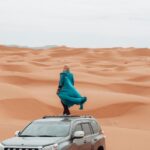
Spring, from March to May, is arguably the best time to visit the Moroccan desert, and it is easy to see why. Daytime temperatures are warm and pleasant rather than scorching, typically comfortable for exploring the dunes, walking through gorges, and enjoying the camel trek, while the nights are cool but not bitterly cold. The landscapes are at their most beautiful too, with oases and valleys green from the winter rains and wildflowers occasionally dotting the desert fringes.
Spring also brings clear skies, ideal for the spectacular stargazing that makes a desert night so memorable, and the seasonal lake near Merzouga may attract flamingos, adding a touch of wildlife to the experience. Because spring is such a popular time, it is wise to book your tour and desert camp well in advance, especially for the peak weeks around Easter. If you want the most comfortable all-round conditions and the desert at its most inviting, spring is the season to choose. Our Morocco Private 9 Days Tour from Casablanca shines in these ideal spring conditions.
Autumn: Warm Days and Clear Nights
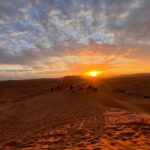
Autumn, from September to November, rivals spring as the best time to visit the Moroccan desert, and for many travelers it is the perfect choice. As the intense summer heat fades, daytime temperatures become warm and comfortable again, ideal for all the outdoor activities a desert tour involves, while the nights are cool and clear. The desert takes on a golden, mellow quality in the autumn light, and the crowds of summer thin out, especially as the season progresses toward November.
The clear autumn skies make for exceptional stargazing, and the comfortable conditions mean you can fully enjoy the camel trek, the camp, and the surrounding landscapes without battling extreme heat or cold. Like spring, autumn is a popular season, so booking ahead is recommended to secure the best camps and dates. For travelers who want warm, pleasant weather with slightly fewer crowds than spring, autumn is an excellent and highly recommended time to experience the Sahara. Autumn also has a special appeal for photographers, as the softer, lower sun and the golden tones of the landscape create beautiful conditions for capturing the dunes, the kasbahs, and the oases at their most flattering. Combined with the comfortable temperatures, it makes for relaxed, rewarding days on the road. Our Contact Us is superb in the mellow autumn light.
Summer: Heat and How to Handle It
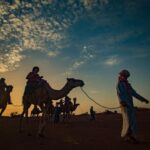
Summer, from June to August, is the most challenging season for the Moroccan desert, but it is not impossible, and with the right approach it can still be rewarding. The main consideration is heat: daytime temperatures in the desert can soar well above 100 degrees Fahrenheit, making midday activity uncomfortable and even risky. For this reason, summer desert tours are structured around the cooler hours, with activities like the camel trek scheduled for early morning or the evening, and the hottest part of the day spent traveling in air-conditioned comfort or resting.
The upside is that summer nights in the desert, while still warm, are far more pleasant than the scorching days, and the star-filled skies remain spectacular. Summer also sees fewer international tourists in the desert, so it can feel less crowded. If you travel in summer, staying well hydrated, protecting yourself from the sun, and following your guide’s timing are essential. For travelers who can only visit in summer, or who are combining the desert with a coastal trip, it remains a viable option with proper planning. Our team adjusts summer itineraries to keep you comfortable in the heat.
Winter: Cool Days and Cold Nights
Winter, from December to February, offers a very different but rewarding desert experience. The days are mild and pleasant, often ideal for exploring, with comfortable temperatures for the camel trek and sightseeing, and the desert is beautifully quiet as the peak-season crowds disappear. The clear winter air and low sun create wonderful light for photography, and the landscapes take on a crisp, dramatic quality. For travelers who prefer cooler daytime conditions and thinner crowds, winter has real appeal.
The main consideration is the cold nights. Desert temperatures drop sharply after sunset in winter and can approach freezing, so warm clothing, a good jacket, hat, and gloves, is essential, and the desert camps provide plenty of extra bedding. It is also worth noting that occasional rain or even snow can affect the high mountain passes en route to the desert, adding dramatic scenery but requiring flexibility. For well-prepared travelers who don’t mind bundling up at night, winter offers a peaceful, atmospheric, and often more affordable desert experience. For photographers and travelers seeking solitude, winter can be the most atmospheric season of all, with dramatic light, crisp air, and the dunes largely to yourself. Just be sure to pack properly for the cold nights, and the season rewards you with a peaceful, memorable desert experience. Our 7 Days Morocco Tour from Tangier to Marrakech runs through the winter with warm camps and adjusted timing.
Choosing the Right Season for You
To choose the best time for your desert adventure, weigh your priorities. If you want the most comfortable all-round conditions, warm days, cool nights, beautiful landscapes, and great stargazing, choose spring or autumn, the two ideal seasons that suit the vast majority of travelers. If you can only travel in summer, it is entirely possible with the right planning, focusing activities on the cooler hours and staying protected from the heat. And if you prefer cooler days, thinner crowds, and don’t mind cold nights, winter offers a peaceful and atmospheric alternative, often at lower prices.
Whatever season you choose, the core magic of the Moroccan desert, the dunes, the camel trek, the camp, and the star-filled sky, remains, and an experienced operator will adjust the timing and details of your tour to suit the conditions. The best time is ultimately the time that fits your schedule and preferences, as there is no season in which the Sahara fails to impress. To plan your desert tour for the perfect time of year, use the booking form below to share your travel dates, and we will craft the ideal seasonal itinerary for your Morocco journey, adjusting every detail to the conditions you will encounter.
Frequently Asked Questions
What is the best time of year to visit the Moroccan desert?
Spring (March to May) and autumn (September to November) are ideal, with warm days, cool nights, beautiful landscapes, and great stargazing. These shoulder seasons offer the best all-round conditions for a desert tour.
Is it too hot to visit the Sahara in summer?
Summer days are very hot, often above 100°F, so tours focus activities on the cooler morning and evening hours. It is possible with proper planning, hydration, and sun protection, and the nights and stargazing remain pleasant.
Can you visit the Moroccan desert in winter?
Yes. Winter days are mild and pleasant with thin crowds and great light, though nights are cold and can approach freezing. Warm clothing is essential, and camps provide extra bedding. It is a peaceful, atmospheric season.
Which season has the best stargazing in the desert?
Spring, autumn, and winter all offer excellent stargazing thanks to clear skies, though the cold winter nights and comfortable spring and autumn evenings make those seasons especially rewarding for gazing at the Milky Way and stars.
Useful Resources
For more background on the destinations and experiences mentioned in this guide, explore these authoritative resources: Tangier — Wikipedia, Medina of Essaouira — UNESCO World Heritage, Ouarzazate — Wikipedia, and Sahara — Wikipedia.